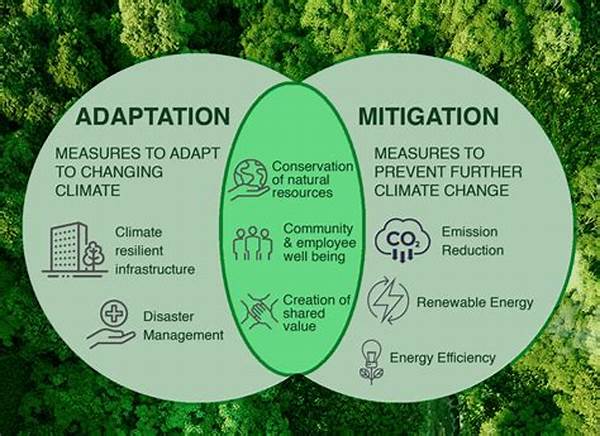
Hey there, fellow curious minds! Today, we’re diving into the fascinating world of “industry-specific resilience adaptation measures”. You know how sometimes you just have to roll with the punches? Well, industries have to do that too when faced with challenges like weather disruptions, supply chain hiccups, or even global crises. So, grab a cup of coffee, and let’s explore the cool ways different industries are staying resilient!
Read Now : Stunt Choreography Skills Development
Understanding Industry-Specific Resilience Adaptation Measures
Here’s the deal: resilience is all about bouncing back from adversity, and when it comes to industries, that’s no small feat. Imagine a world where every business is just a hiccup away from a breakdown—pretty scary, right? That’s why industry-specific resilience adaptation measures are super critical. These are tailored strategies that companies from various sectors employ to anticipate, respond to, and recover from unexpected changes. Whether it’s a tech company dealing with a data center outage or a coastal city’s infrastructure bracing for hurricanes, having a plan specifically designed for these scenarios can make a huge difference.
It’s not just about survival—it’s about thriving amidst adversity. Now, different industries have unique challenges, so these measures need to be as diverse as the challenges themselves. For instance, while a tech startup might focus on cybersecurity resilience, an agriculture business would prioritize adapting to climate change. Ultimately, industry-specific resilience adaptation measures help businesses not just bounce back, but come back stronger, ready to tackle the next big obstacle in style.
Key Components of Industry-Specific Resilience Adaptation Measures
1. Risk Assessment: Understanding potential risks specific to your industry forms the foundation of resilience measures. It’s like knowing where the potholes are before you take a drive!
2. Flexible Planning: Adaptability is crucial. Creating plans that evolve with changing circumstances ensures businesses can pivot quickly when faced with unexpected challenges.
3. Resource Management: Efficient management of resources, from human to financial, is vital. It’s all about doing more with less and keeping the ship sailing smoothly.
4. Stakeholder Engagement: Keeping stakeholders in the loop ensures everyone is on the same page and can collaborate effectively when implementing these measures.
5. Continuous Improvement: Finally, regularly updating and improving resilience strategies ensures they remain effective as industries and challenges evolve. It’s a never-ending cycle of growth and adaptation!
Why Industry-Specific Resilience Adaptation Measures Matter
You might be wondering, why is there such a buzz around industry-specific resilience adaptation measures? Well, in today’s fast-paced world, disruptions can pop up out of nowhere. Think about the recent global events that turned entire industries upside down. Those who had robust, tailored measures in place navigated these disruptions with a lot more ease.
Industries that anticipate change and proactively prepare can maintain steady operations, safeguard jobs, and even protect communities dependent on them. These measures don’t just benefit companies—they have a ripple effect that upholds economic stability and societal well-being. So, while it might seem like a lot of work, these efforts pave the way for a more stable future for everyone, not just the industries themselves.
Ten Ways Industry-Specific Resilience Adaptation Measures Are Employed
1. Technology Integration: Leveraging cutting-edge tech to predict and manage risks.
2. Diversifying Supply Chains: Reducing dependency on a single source.
3. Climate Adaptation Practices: Modifying activities in sectors like agriculture.
4. Financial Resilience Strategies: Building financial cushions to absorb shocks.
Read Now : Enhancing Accuracy In Dance Techniques
5. Cybersecurity Enhancements: Protecting data integrity in tech sectors.
6. Infrastructure Reinforcement: Fortifying physical assets against natural disasters.
7. Training Programs: Equipping employees with skills to handle disruptions.
8. Scenario Planning: Preparing for various potential future disruptions.
9. Community Collaboration: Engaging with local stakeholders for collective resilience.
10. Policy Advocacy: Working with governments for favorable resilience regulations.
Challenges in Implementing Industry-Specific Resilience Adaptation Measures
Implementing these measures isn’t always a walk in the park. There are financial, logistical, and even cultural hurdles that industries need to overcome. For starters, the cost of implementing comprehensive resilience strategies can be a significant upfront investment—one that not every company is ready to make. Then, there’s the challenge of bringing people on board. Shifting company culture to prioritize resilience involves getting buy-in from all levels, which can be daunting.
Moreover, staying ahead of rapid technological changes and continuously updating strategies to reflect the latest risks demands ongoing commitment. However, overcoming these challenges is crucial, as the benefits far outweigh the initial hurdles. Once industry-specific resilience adaptation measures are in place, businesses are not only better equipped to weather storms but also positioned to seize new opportunities that arise in the aftermath.
Advancements in Industry-Specific Resilience Adaptation Measures
The landscape of industry-specific resilience adaptation measures is continually evolving. Thanks to innovations in technology and data analytics, industries are now able to predict and prepare for disruptions like never before. For instance, AI-powered tools are providing unprecedented insights into weather patterns, helping agriculture adapt to climate change more effectively. Moreover, the availability of real-time data means industries can react swiftly to sudden changes, ensuring minimal disruption.
The future looks promising as more industries embrace these advancements. With increased collaboration and knowledge-sharing across sectors, the development of resilience measures will only accelerate. As companies invest more in research and development, they contribute to a collective pool of knowledge that benefits everyone. It’s a promising trend that underscores the importance of continuously adapting and evolving.
Conclusion
In conclusion, industry-specific resilience adaptation measures are not just a business strategy—they’re a necessity. They help industries navigate the unpredictable waters of today’s world, ensuring that unexpected events don’t lead to catastrophic outcomes. While the journey to implementing these measures can be challenging, the result is a more resilient and adaptable industry landscape. As we continue to move towards a future filled with unforeseeable challenges, these measures will prove invaluable, providing a sturdy backbone that allows industries to thrive regardless of what comes their way. So, here’s to staying resilient, adaptable, and ready for whatever the future holds!
