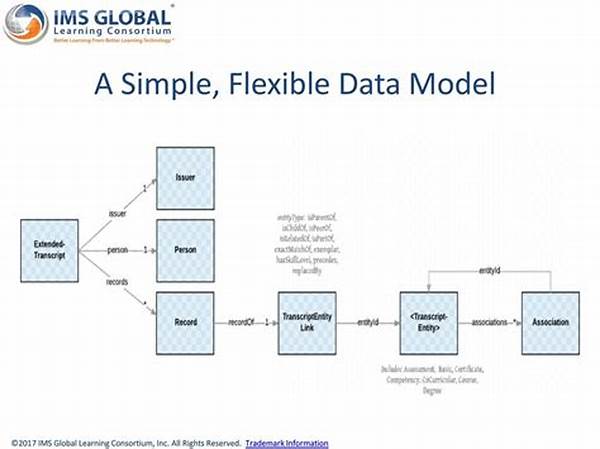
Hey there, fellow tech enthusiasts! Today, we’re diving into the fascinating world of data model design, specifically focusing on the flexibility aspect. Whether you’re a seasoned data architect or just dabbling in the realm of databases, flexibility in data model design is a critical factor that can make or break your project. So, grab a cup of coffee and let’s explore why this concept is essential.
Read Now : Legendary Individuals In Dramatic Arts
Why Flexibility Matters
In our ever-evolving digital landscape, adaptability is the name of the game, and this holds true for data models as well. The concept of flexibility in data model design means creating a structure that can easily accommodate future changes without the need for a major overhaul. Imagine building a house with walls that can shift when you want to rearrange rooms — that’s similar to the dynamic capability that flexibility can bring to your data model.
When your data model is flexible, you’re not just future-proofing your system; you’re also saving loads of time and resources. You’ll thank yourself when a new feature request comes in, and your model barely breaks a sweat adapting to it. Moreover, flexibility in data model design allows you to respond to market changes, user feedback, and technological advancements rapidly. So, in the long run, it keeps you ahead of the curve and your competitors!
But flexibility isn’t just about change. It’s about resilience too. Having a flexible data model ensures that your system remains robust, even when unexpected changes occur. After all, the only constant in the tech world is change itself, and being prepared to handle it gracefully sets the foundation for success.
Key Characteristics of Flexible Data Models
1. Scalability: A flexible data model can adapt to growing data volumes without breaking a sweat, ensuring seamless application performance.
2. Modularity: Breaking your model into independent modules allows change implementation without disrupting the whole system.
3. Interoperability: It should play well with other systems, ensuring that data can flow smoothly like a dance party across platforms.
4. Extensibility: Easily adding new fields or entities to the model gives you the option to expand as needed, keeping things fresh.
5. Resilience: A good flexible model is built to handle unexpected changes, ensuring stability even when something goes awry.
Designing for Flexibility
Alright, you’re probably thinking, “This sounds great, but how do I actually design a flexible data model?” Well, the answer involves blending art with science. Start by understanding your current and future needs. While it’s impossible to predict everything, identifying core requirements and potential future expansions can guide your design choices.
Another pro-tip is to employ best practices such as normalization, but don’t be afraid to break the rules when necessary. Sometimes, denormalization might actually serve the flexibility objective better, depending on your use case and performance considerations. Flexibility in data model design often involves striking the right balance between rigidity and freedom, so think of it as crafting a jazz composition rather than following a rigid classical score.
Lastly, always keep testing and feedback loops in mind. Flexibility is not a one-and-done process; it evolves. Regularly check how your model holds up with new changes and refactor when necessary. By keeping an open line of communication between developers, stakeholders, and users, you ensure that the model not only stays flexible but also remains relevant.
Read Now : Acclaimed Global Movie Industry Icons
Incorporating Agile Principles
One effective way to build flexibility into your data model design is by incorporating Agile development principles. Agile emphasizes iterative progress and adaptability, both of which align perfectly with the goal of flexibility in data model design. By using Agile, you’re constantly iterating and improving your model in response to user feedback and changing business needs.
The Balance of Flexibility and Structure
Striking a balance between flexibility and structure can feel like walking a tightrope. On one side, you have the need for stability and well-defined processes; on the other, the necessity for adaptability and responsiveness. A highly flexible model might become chaotic without sufficient structure, whereas too much structure could stifle the very adaptability we’re aiming for.
With flexibility in data model design, you’re shaping a framework that allows for smooth transitions between varying needs. One method of balancing these demands is by setting clear guidelines and standards for your data model. Think of these standards as guardrails that guide adaptability without impeding it.
Additionally, it’s crucial to maintain documentation and knowledge-sharing to ensure everyone understands the architecture’s capabilities and constraints. By nurturing a culture of open communication and collaboration, you ensure that everyone involved can contribute to the model’s resilience and creativity.
Future Trends in Flexible Data Models
Wrapping It All Up
Alright, folks, we’ve journeyed through the land of flexibility in data model design, and it’s been quite the ride! From understanding why flexibility matters to exploring how it can be incorporated and balanced, it’s clear that this concept is pivotal for modern data architectures. Whether you’re dealing with big data, emerging technologies, or unpredictable user needs, keeping your data models flexible will ensure you’re ready for anything that comes your way.
Remember, designing for flexibility is an ongoing game of tweaks and optimizations. Stay curious, keep testing, and never shy away from asking for feedback. Your flexible data model is only as good as the effort and creativity you pour into it, so give it your all! Until next time, happy modeling!
Conclusion: The Road to Flexibility
At the end of the day, flexibility in data model design sets you up for long-term success. By focusing on adaptability, you avoid getting trapped in rigid structures that can’t keep up with the fast-paced tech world. Instead, you’re creating a blueprint for a data ecosystem that can grow and transform alongside your business needs.
Incorporating flexibility might seem daunting initially, but with thoughtful planning and attentive maintenance, it soon becomes an integral part of your data management strategy. So, embrace the dynamic nature of technology, build those adaptable models, and relish the journey of continuous improvement. Your future, agile data-driven self will thank you. Cheers!
